

The best fabrics for comfortable sleepwear are ones that breathe well, feel soft against your skin, and keep you at the right temperature all night. Cotton, bamboo, silk, and modal are your top contenders, but which one you choose depends on your climate, budget, and personal preference.
In this article
- Why Fabric Matters for Sleep Comfort
- Top Fabric Choices for Sleepwear
- Seasonal Sleepwear Fabric Guide
- The Moisture-Wicking Factor
- Care and Durability Matter Too
- Beyond Traditional Sleepwear
- Finding Your Perfect Sleepwear
- Quick Fabric Comparison Chart
- What Fabric Should You Actually Pick?
- People Also Ask
Why Fabric Matters for Sleep Comfort
Your sleepwear fabric isn't just a vanity thing. What you wear to bed directly affects how well you actually sleep. The wrong fabric can trap heat, cause night sweats, irritate sensitive skin, or leave you shivering.
The ideal sleepwear balances softness, breathability, and durability. You want something that wicks moisture away from your body, doesn't cling uncomfortably, and holds up after dozens of washes. That's why picking the right material is honestly one of the easiest wins for better sleep quality.
Top Fabric Choices for Sleepwear
Cotton: The Reliable Classic
Cotton is hands down the most popular sleepwear fabric, and for good reason. It's soft, breathable, affordable, and you can find quality options at almost any price point.
Cotton allows air to flow through, so you won't overheat during the night. It absorbs moisture without trapping it against your skin, and it gets softer every time you wash it. Plus, it's easy to care for—just throw it in the machine and you're done.
The downside? Not all cotton is created equal. Cheap cotton can feel stiff or pill after a few washes. Look for pima or combed cotton for better durability and that buttery-soft feel.
Bamboo Fabric: The Breathability Winner
Bamboo fabric is one of the best natural fibers for sleepwear comfort. It's incredibly breathable, temperature-regulating, and has a luxurious drape that rivals more expensive options.
Bamboo is also hypoallergenic, which makes it great if you have sensitive skin or allergies. It naturally resists odor and bacteria, so your pajamas stay fresher longer between washes. Lady E -n- Co understands that quality sleepwear can be both comfortable and stylish—bamboo delivers on both fronts.
Related: Pinterest Pajamas Aesthetic: Your Complete Style Guide
Related: Pajama Party Aesthetic: Complete Style Guide for Cozy Chic
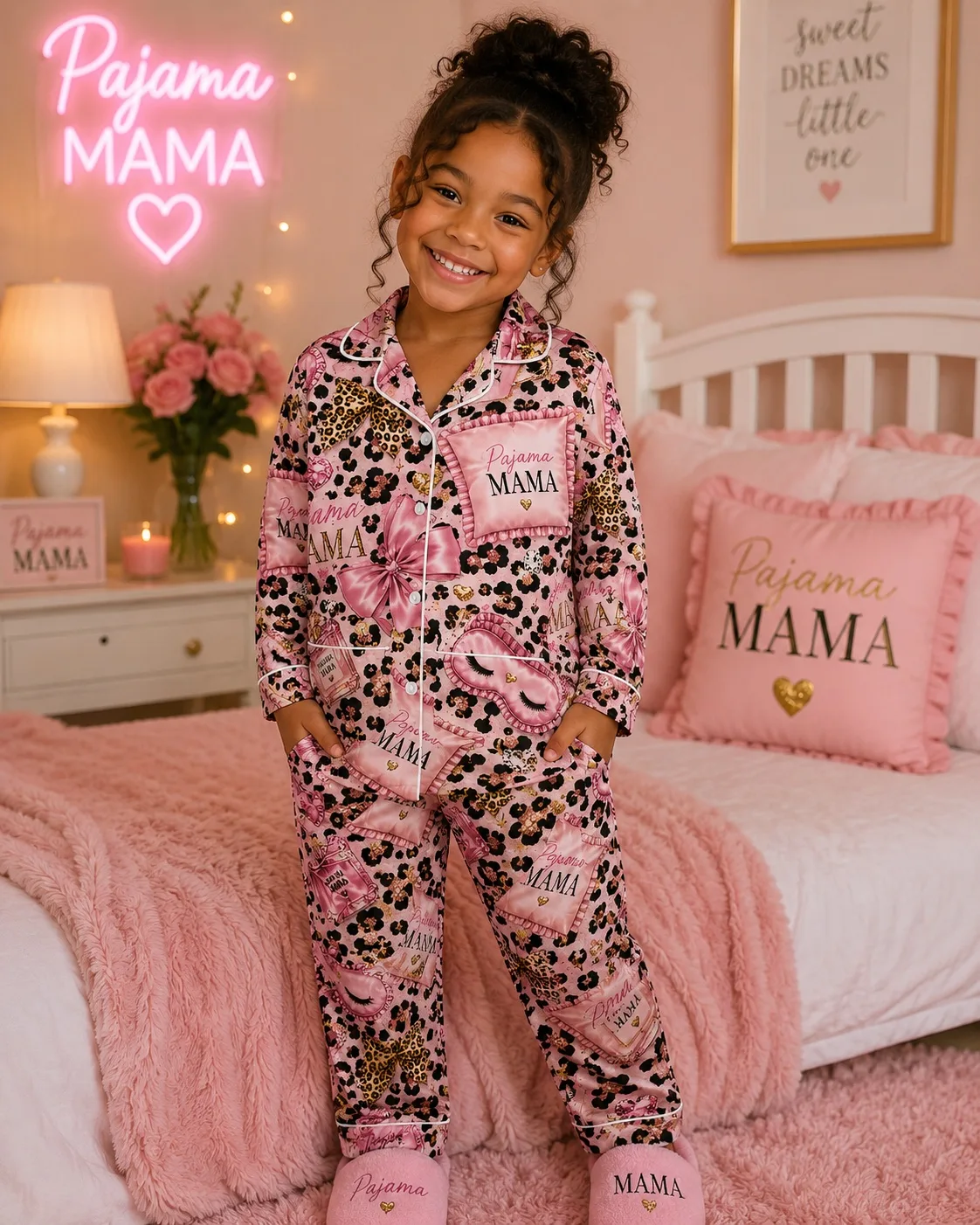
Bamboo does require gentle care (usually hand wash or delicate cycle), so if you want something you can just toss in the dryer, this might not be your pick.
Silk: Luxury Comfort (With Caveats)
Silk feels amazing and it's genuinely good for your skin and hair. It's smooth, doesn't absorb moisture from your skin, and regulates temperature beautifully.
Here's the catch: silk works best in low-humidity climates. In humid weather, it can feel clammy. It's also the priciest option and requires careful washing (hand wash in cool water, air dry). One snag or run and your whole pajama set is compromised.
If you live somewhere dry and you're willing to baby your sleepwear, silk is worth the splurge.
Modal: The Underrated Hero
Modal is a natural fiber that feels incredibly soft and smooth—think silk without the drama. It's durable, breathable, and you can actually machine wash it without worrying.
Modal has a beautiful drape and holds its shape better than cotton after repeated washing. It's also more affordable than silk but pricier than basic cotton. If you want that luxury feel without the fussy care, modal is your answer.
Tencel and Polynosic Rayons: Silk-Like Feel, Easy Care
These fabrics give you that silky drape and feel without the silk price tag or care requirements. They're machine washable and dryable, which is clutch if you don't have time for delicate hand washing.
Related: Best NY Fashion Fabrics 2026: Top 5 Retailers Ranked
The trade-off? They're not quite as durable as natural fibers like cotton or modal over the super long term, but they're still solid performers for everyday sleepwear.
Skip basic viscose rayon for sleepwear—it doesn't hold up as well as these alternatives and requires more careful handling.
Seasonal Sleepwear Fabric Guide
Summer: Cotton, Bamboo, or Modal
When it's hot and humid, you need maximum breathability. Cotton and bamboo are your go-to options. Both let air flow freely and wick sweat away from your skin.
Modal is another summer winner if you like that silky feel but don't want to pay silk prices.
Winter: Flannel, Thermal Cotton, Fleece, or Wool
Cold nights call for heavier fabrics that trap warmth. Flannel is cozy and breathable enough that you won't overheat even under blankets. Thermal cotton has a fuzzy backing that adds insulation.
Fleece and wool are your warmest bets, though wool can be itchy for some people. Silk is generally not recommended for winter unless you're in a super dry climate—it won't provide the warmth you need.
The Moisture-Wicking Factor

If you're someone who wakes up in a sweat or tends to get hot at night, moisture-wicking is non-negotiable. This means the fabric actively pulls sweat away from your skin and allows it to evaporate quickly.
Natural fibers like cotton, bamboo, and modal all excel at moisture-wicking. They absorb moisture and release it into the air rather than letting it sit on your skin.
Synthetic blends can work too, but they often trap heat. If you go synthetic, look for ones specifically designed for moisture-wicking performance.
Care and Durability Matter Too
The best fabric in the world won't help if you dread washing your pajamas. Look for machine-washable options like Tencel that dry quickly and don't require special handling.
Cotton and modal are both durable and easy to maintain. Bamboo needs gentler care. Silk is high-maintenance but lasts forever if treated right.
Think about your lifestyle. If you've got a busy schedule, you probably want something you can wash with everything else. If you love a ritual and have time for delicate care, invest in the fancy stuff.
Beyond Traditional Sleepwear
Loungewear fabrics deserve a mention too. French terry and double knits (like ponte) offer excellent comfort with a flattering drape, so they work great if you want pajamas that look intentional enough for quick trips out of the house.
These fabrics aren't quite as breathable as modal or bamboo, but they're cozy, durable, and feel like you're hugging yourself all day. Perfect if you're in that cozy-at-home mode but still want to look put-together.
Finding Your Perfect Sleepwear
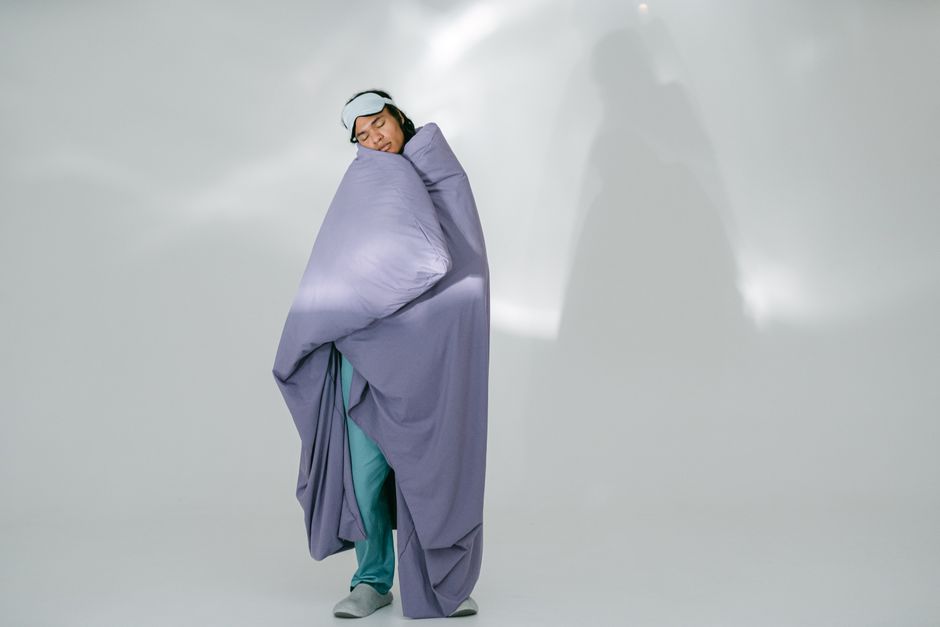
The best fabric for you depends on three things: your climate, your budget, and how much time you want to spend on care.
Cold winters? Go flannel or thermal cotton.
Hot and humid? Bamboo or cotton all the way.
Want luxury without fuss? Modal or Tencel.
Willing to hand-wash for ultimate comfort? Treat yourself to silk or high-quality bamboo.
At Lady E -n- Co, we know that comfort isn't one-size-fits-all. That's why our Pajama Mama™ Collection features thoughtfully designed pieces in fabrics that actually work for real life—whether you're lounging at home or running out the door. Quality sleepwear should feel amazing and look intentional.
Quick Fabric Comparison Chart
| Fabric | Breathability | Softness | Durability | Care Level | Price |
|---|---|---|---|---|---|
| Cotton | Excellent | Good | Excellent | Easy | Budget |
| Bamboo | Excellent | Excellent | Good | Moderate | Mid-Range |
| Silk | Very Good | Excellent | Good | High | Luxury |
| Modal | Excellent | Excellent | Very Good | Easy | Mid-Range |
| Tencel | Very Good | Very Good | Good | Easy | Mid-Range |
| Flannel | Good | Excellent | Excellent | Easy | Budget |
What Fabric Should You Actually Pick?
Honestly, the right answer is whatever feels best on your skin and fits your lifestyle. You're not going to feel luxurious in silk if you have to stress about washing it. And you're not going to sleep well in cheap cotton that pills after three washes.
Start with what matters most to you: softness, easy care, temperature control, or durability. Then pick a fabric that nails that priority. From there, invest in quality sleepwear that actually feels good and holds up over time.
Your sleep matters. Your comfort matters. The fabric you wear to bed absolutely affects both.
People Also Ask
What fabric is best for hot sleepers?
Cotton and bamboo are your best bets for hot sleepers. Both are highly breathable and moisture-wicking, so sweat moves away from your skin and dries quickly. Avoid heavy synthetics and silk in humid climates. Sleep Foundation recommends natural fibers for their temperature-regulating properties.
Is bamboo fabric better than cotton for sleepwear?
Not necessarily better, just different. Bamboo is more breathable and hypoallergenic, making it ideal for sensitive skin and hot sleepers. Cotton is more durable, easier to care for, and budget-friendly. Both are excellent—it comes down to your priorities and climate.
Can you sleep in modal pajamas?
Absolutely. Modal is an excellent sleepwear fabric. It's soft like silk, breathable like cotton, durable like quality linen, and easy to care for. It's honestly one of the most underrated sleepwear options out there.
Why shouldn't I wear synthetic fabrics to bed?
Synthetics tend to trap heat and moisture against your skin, which disrupts sleep quality and can cause night sweats. Natural fibers like cotton, bamboo, and modal allow your body to breathe and regulate temperature naturally. That said, some performance synthetics designed specifically for moisture-wicking can work, but natural is usually the better choice for sleep.