

The psychology of cozy clothing and comfort fashion isn't just feel-good nonsense—it's backed by real science. When you slip into soft, well-fitting clothes that make you feel like yourself, your brain actually responds. Your stress levels drop. Your mood lifts. Your confidence spikes. And suddenly, you're not just wearing clothes; you're wearing a better version of your day.
In this article
- Why Your Brain Loves Cozy Clothing
- How Fabric Texture Impacts Your Emotions
- The Confidence Connection: Fit, Style, and Self-Perception
- Cozy Clothing and Stress Reduction
- The Power of Personal Style in Comfort Fashion
- How Clothes Influence Self-Perception and Mood
- Building Your Cozy Comfort Wardrobe
- The Everyday Impact of Wearing What You Love
- FAQ: Psychology of Cozy Clothing & Comfort Fashion
Why Your Brain Loves Cozy Clothing
Here's the thing: what you wear directly affects how you feel and how you behave. A landmark study from Northwestern University in 2012 proved that clothing has measurable, tangible effects on the wearer's psychology and performance. This isn't magic. It's neuroscience.
When you wear soft, breathable fabrics, your nervous system responds positively. These textures trigger calming sensations that reduce stress and anxiety. Your body literally relaxes. Meanwhile, your brain is processing comfort signals that improve your overall well-being.
Think about the last time you changed into loungewear after a long day. That immediate exhale? That's your psychology shifting in real time. Lady E -n- Co was built on this exact principle—that comfort fashion should be the foundation of how you feel about yourself, not something you save for bedtime.
Related: Stylish Pajama Sets: Comfort & Fashion Combined
Related: Best Modest Fashion to Shop Now | Style & Coverage
Related: Best Mama Style 2026: Top 5 Brands Ranked for Comfort & Fashion

How Fabric Texture Impacts Your Emotions
Texture matters way more than most people realize. The fabric touching your skin sends signals directly to your brain, influencing your emotional state throughout the day.
Soft, breathable materials like cotton and cotton blends create a soothing effect. They reduce the friction between your skin and clothing, which means less sensory irritation and more calm. In contrast, rough or restrictive fabrics can make you feel tense, even if you don't consciously notice it.
This is why people gravitate toward cozy clothing when they're stressed or need comfort. Your body is instinctively seeking that soft-texture input to regulate your nervous system.
The Confidence Connection: Fit, Style, and Self-Perception
Comfort fashion isn't just about softness. It's also about fit and personal style alignment.
Research shows that wearing clothes suited to your body type and personal aesthetic increases social confidence. When your outfit matches how you actually see yourself—and how you want others to see you—you walk differently. You speak differently. You feel different.
This isn't vanity. It's a documented psychological principle called "enclothed cognition." Your clothing becomes an extension of your identity, and when that identity feels authentic and comfortable, your entire presence shifts.
A well-fitted sweatshirt or drawstring joggers with pockets that actually fits your frame does more for your confidence than you'd think. You're not just lounging—you're feeling secure in who you are.
Cozy Clothing and Stress Reduction
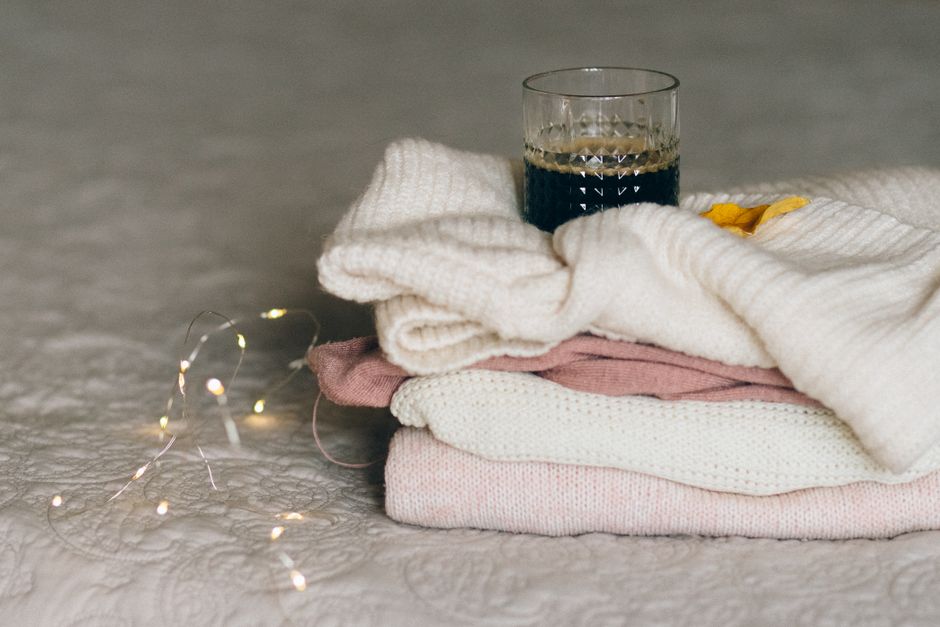
Let's talk stress for a second. Tight waistbands, scratchy tags, fabric that rides up—these aren't just annoying. They're micro-stressors that keep your nervous system in low-level alert mode all day.
When you switch to clothing designed for comfort—proper fit, quality fabrics, thoughtful details—your body finally relaxes. Your cortisol levels drop. Your breathing deepens. You're literally less stressed in your body, which means your mind follows.
Harvard Health has documented the mind-body connection extensively, showing how physical comfort directly influences mental state and resilience against stress.
The Power of Personal Style in Comfort Fashion
Here's where it gets interesting: comfort fashion works best when it actually matches your personal style.
If you feel most like yourself in cozy, casual pieces, that's your psychological sweet spot. But if you're the type who loves structure and polish, forcing yourself into oversized sweats will actually decrease your comfort, mentally speaking.
The psychology of cozy clothing means honoring what makes you feel authentically comfortable—not what comfort culture says you should wear.
For some people, that's a oatmeal V-neck vest button-up cardigan and pants set that feels both cozy and put-together. For others, it's a simple graphic sweatshirt and wide-leg pants. The point is that your comfort clothes should feel like you.
How Clothes Influence Self-Perception and Mood
You don't just wear your clothes. Your clothes wear on you—in the best way.
When you put on something that fits right, feels soft, and looks like your style, your self-perception improves. You see yourself as more capable, more relaxed, more confident. This isn't superficial. Your brain is literally processing your appearance and adjusting your self-image accordingly.
This is why people who invest in quality, comfortable basics report feeling better about themselves overall. It's not the clothes doing the work. It's your psychology responding to the care you've taken to dress yourself well.
Body-appropriate dressing—wearing clothes that actually fit your frame and make you feel secure—leads to better social performance too. You're less self-conscious about how you look, which means you can focus on conversations, work, and experiences instead of tugging at your waistband.
Building Your Cozy Comfort Wardrobe
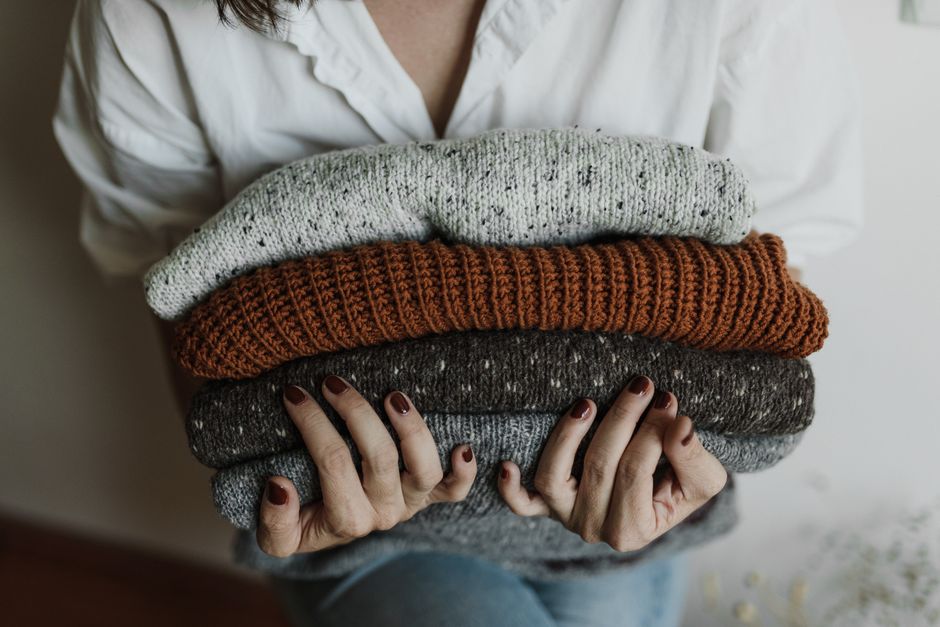
So how do you actually apply this psychology to your daily life?
Start with basics that fit. Not oversized, not tight. Actually fit your body. This is the foundation of comfortable confidence.
Invest in soft, breathable fabrics. You'll spend less time thinking about how uncomfortable you are and more time just living your life.
Choose colors and styles that reflect your actual personality. If you love cozy cabin energy, don't force yourself into minimalist basics just because they're trendy.
Prioritize pieces that make you feel like yourself. Your comfort wardrobe should be a reflection of you, not an escape from yourself.
When you browse options, look for thoughtful details—like pockets (always), quality seams, and fabrics that feel good against your skin. These small things create the sensory experience that triggers that calm, confident feeling.
The Everyday Impact of Wearing What You Love
Here's what people don't talk about enough: the cumulative mental health benefit of dressing in comfort fashion that you actually love.
If you spend your working hours in restrictive clothes and then only change into comfortable pieces at night, you're getting maybe a few hours of that psychological boost. But when you normalize cozy, comfortable pieces as everyday wear—when you stop treating loungewear like it's something you hide at home—you get those mood and confidence benefits all day long.
That's the shift that happens when brands like Lady E -n- Co reframe what comfort fashion actually is. It's not about being lazy or giving up on style. It's about recognizing that the best outfit is one that makes you feel good in your own skin, whether you're working, relaxing, or somewhere in between.
FAQ: Psychology of Cozy Clothing & Comfort Fashion
Does wearing cozy clothes actually improve mood scientifically?
Yes. The Northwestern University study and subsequent research confirm that clothing has measurable psychological effects. Soft fabrics trigger calming sensory responses, and wearing clothes that fit your body type and personal style increases confidence and self-perception. These are neurological responses, not just feel-good placebo.
Can comfort clothing improve work performance?
Absolutely. When you're not physically uncomfortable or self-conscious about your appearance, your brain has more bandwidth for focus and productivity. Properly fitting, comfortable clothes reduce sensory stress and allow you to concentrate on what actually matters.
Is there a difference between loungewear and cozy comfort fashion?
Cozy comfort fashion is loungewear that you can actually wear anywhere because it's designed with both comfort and style in mind. It's not about hiding at home—it's about building a wardrobe where comfort and confidence go hand in hand, whether you're at home, at work, or out with friends.
How do I know if a fabric is psychologically comforting?
Pay attention to how it feels against your skin. Breathable, soft fabrics (like quality cotton blends) tend to be more calming. Avoid anything that creates friction, restriction, or temperature imbalance. Your body will tell you—trust that sensory feedback.