

You already know that good sleep starts with the right pajamas. But here's what a lot of people miss: the pajamas that feel amazing in January might have you sweating through the sheets come July. Temperature appropriate pajamas aren't just about comfort; they're about actually sleeping well, no matter what season you're in.
The secret? Choosing fabrics and styles that match your climate and allow your body to regulate its own temperature. When you get this right, you're not fighting your sleepwear to fall asleep or stay asleep. Let's walk through how to build a pajama wardrobe that works year-round.
In this article
- Why Temperature Appropriate Pajamas Matter
- Spring Pajamas: Breathability for Unpredictable Weather
- Summer Pajamas: Maximum Breathability and Moisture-Wicking
- Fall Pajamas: Transitioning to Warmth
- Winter Pajamas: Warmth Without Bulk
- Building Your Year-Round Pajama Wardrobe
- Fabric Properties: What Actually Matters
- Seasonal Swap Tips and Storage
- Finding Your Perfect Fit at the Right Price
Why Temperature Appropriate Pajamas Matter
Think about the last time you woke up in the middle of the night feeling too hot or too cold. Frustrating, right? Your pajamas play a bigger role in sleep quality than most people realize. Lady E -n- Co focuses on creating sleepwear that adapts to your lifestyle, and temperature regulation is a core part of that mission.
Related: Best Pop Culture Pajamas 2026: Top 5 Ranked
Related: Best Sparkly Pajamas 2026: Top 5 Ranked & Reviewed
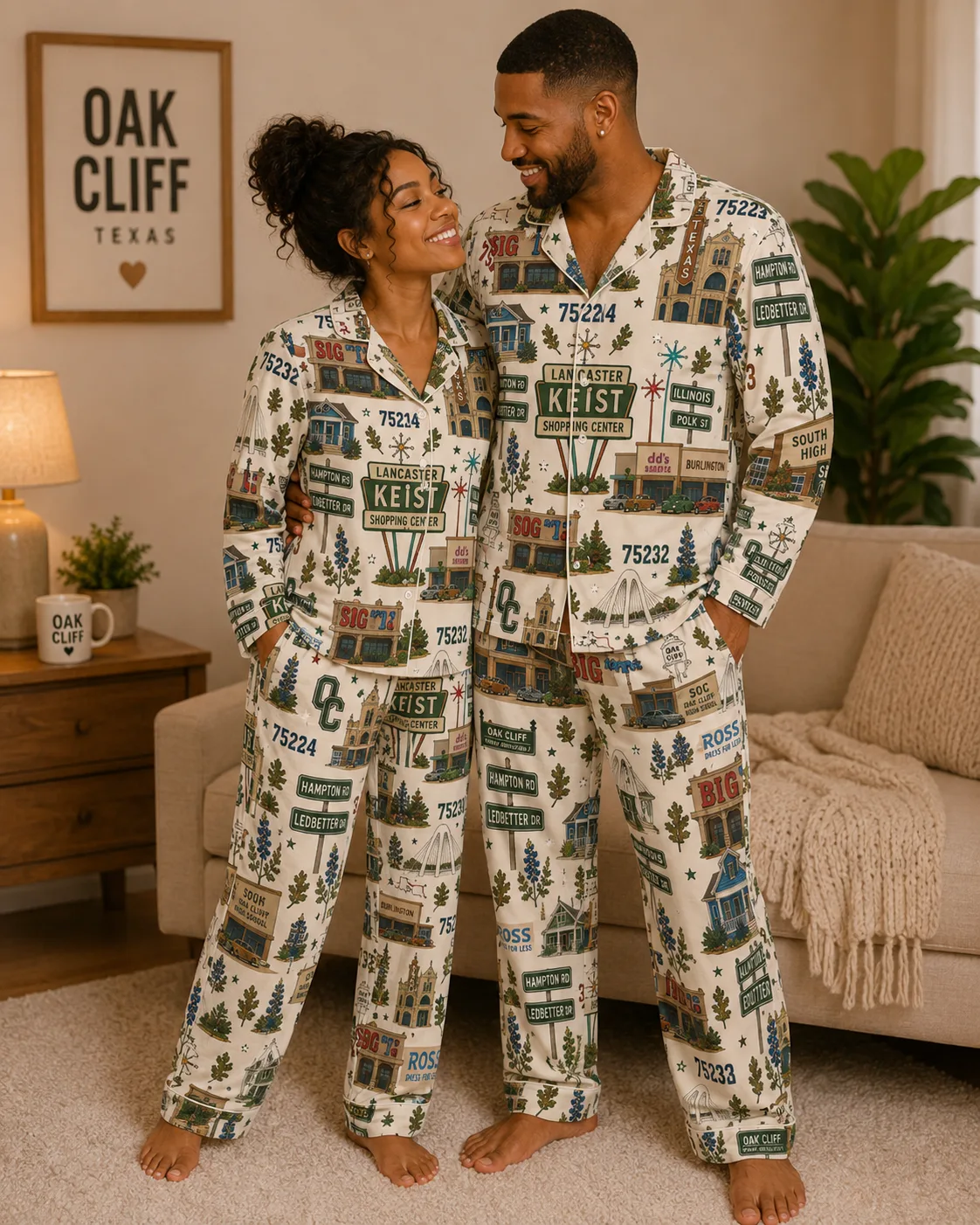
According to research from the National Sleep Foundation, your body temperature naturally drops as you prepare for sleep. When your pajamas don't support that shift, you're essentially working against your own biology. The right fabric helps your skin breathe, wicks moisture, and maintains an ideal sleeping temperature.
This isn't about luxury. It's about function. And it's about knowing what to reach for each season so you're always comfortable.
Spring Pajamas: Breathability for Unpredictable Weather
Spring is tricky. You might go from chilly mornings to warm afternoons, and the nights can swing either way. This is where you need fabrics that adapt quickly to temperature changes without trapping heat or leaving you shivering.
Cotton is your best friend in spring. It's soft, breathable, and promotes natural airflow so you can adjust easily as temperatures fluctuate. Look for 100% cotton pajama sets that feel lightweight but still cozy enough for those cool mornings. Organic cotton variants are an even better choice if your skin is sensitive.
The key is avoiding heavy flannel or thick fleece during spring. These fabrics trap excess heat and can make you uncomfortable as soon as the temperature rises. You want something that moves with the season.
Summer Pajamas: Maximum Breathability and Moisture-Wicking
Summer calls for maximum breathability. You want fabric that wicks moisture away from your skin so you stay cool and dry, even on humid nights. Cotton and linen are ideal here because they promote natural airflow and don't trap body heat.
Bamboo fabric is another excellent option for summer sleepwear. It's incredibly soft, naturally temperature-regulating, and hypoallergenic if you have sensitive skin. These lighter fabrics allow your skin to breathe fully, which is essential when humidity is high and your body is working harder to cool itself down.
When you're shopping for summer pajamas, prioritize lightweight sets with a loose fit. Fitted pajamas in heavy fabric will only make you feel hotter and more restless at night.
Fall Pajamas: Transitioning to Warmth

Fall is about transition. Some nights still feel warm, but you're starting to need that extra layer of coziness. This is the perfect time to introduce slightly heavier cotton blends or soft cotton-polyester mixes that provide a bit more warmth without the heaviness of full winter pajamas.
Look for layering-friendly styles that allow you to add or remove pieces as needed. Long sleeves become your friend again, but you still want breathable fabric that doesn't overheat you if you need to kick off your blanket. Lady E -n- Co's collection includes options designed for exactly this kind of flexibility, so you're not buying a completely new wardrobe each season.
Winter Pajamas: Warmth Without Bulk
Winter is when you want warmth, but you still need to avoid excessive bulk that makes you feel restricted or creates too much heat if you move around during the night. Ultra-fine merino wool is exceptional for winter sleepwear because it retains warmth while wicking moisture away from your skin. It's cozy without being heavy.
Polyester moisture-wicking fabrics are another solid choice for winter. They trap warm air close to your body while still allowing moisture to escape. This balance is crucial. Heavy fleece or thick flannel might feel amazing when you first get into bed, but they often trap too much heat and moisture, leaving you uncomfortable as the night goes on.
The goal is to feel wrapped in warmth, not suffocated by it. Layering-friendly styles like the Oatmeal V Neck Vest Button Up Cardigan and Pants 3pcs Pajama Set give you flexibility if your bedroom temperature fluctuates during the night.
Building Your Year-Round Pajama Wardrobe
You don't need 12 different pajama sets. You just need three or four quality sets that cover spring/summer, fall, and winter. Here's a practical approach:
- One lightweight cotton set for spring and early summer
- One ultra-breathable cotton or linen set for peak summer heat
- One medium-weight cotton blend for fall transition
- One warmer merino wool or heavyweight cotton set for winter
This rotation ensures you're always sleeping in pajamas designed for your current climate. You're not struggling against your sleepwear or waking up uncomfortable.
When you're choosing styles, look for options that work for your personal sleep position and bedroom setup. If you tend to move around a lot or have a partner who generates heat, lighter fabrics are still your best bet even in winter. If you're a cold sleeper in a cool bedroom, you can go slightly warmer year-round.
Fabric Properties: What Actually Matters
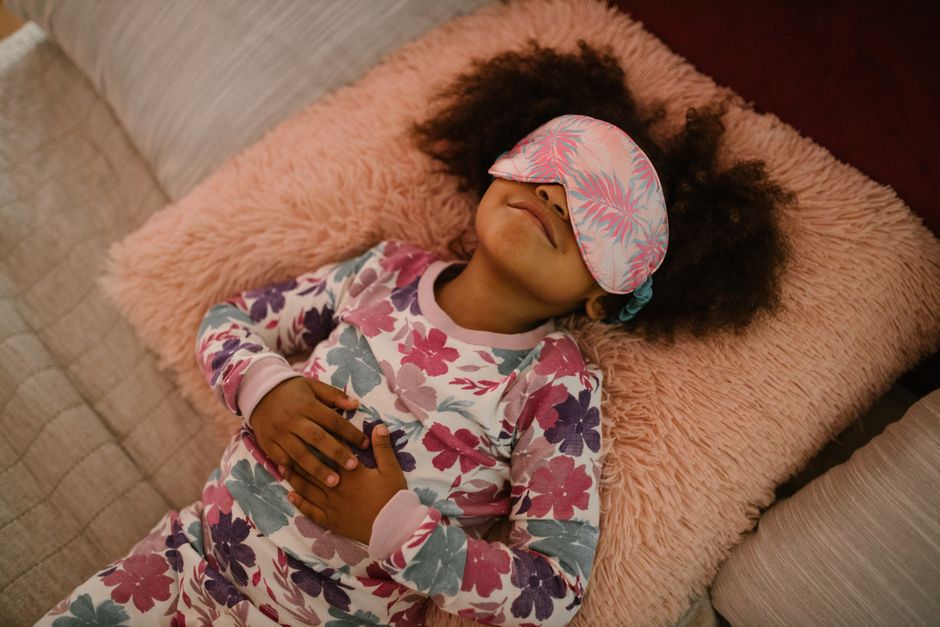
Let's get specific about why certain fabrics work better for temperature regulation:
- Cotton: Soft, breathable, promotes natural airflow. Perfect for spring and summer. Regulates temperature effectively without trapping heat.
- Linen: Extremely breathable and lightweight. Ideal for hot summer nights. Gets softer with every wash.
- Bamboo: Naturally temperature-regulating, hypoallergenic, and moisture-wicking. Great for spring through early fall.
- Merino Wool: Retains warmth while wicking moisture. Doesn't feel itchy like traditional wool. Excellent for winter.
- Polyester Blends: Moisture-wicking properties help regulate temperature. Often used in performance sleepwear for fall and winter.
Avoid thick fleece and heavy flannel during unpredictable seasons. They're cozy, but they often trap too much heat and moisture, disrupting sleep quality. Save those for peak winter if you sleep in a truly cold environment.
Seasonal Swap Tips and Storage
Once you've built your seasonal pajama collection, here's how to make the most of it:
- Swap your pajamas when outdoor temperatures consistently shift. Don't wait for the calendar date.
- Store off-season pajamas in a cool, dry place. Cedar blocks or lavender sachets keep them fresh without taking up much space.
- Wash new pajamas before wearing them for the first time. This softens the fabric and removes any manufacturing residue.
- Rotate between two or three sets within each season so they last longer and always feel fresh.
This simple routine means you're never caught wearing the wrong pajamas for the season, and your sleepwear lasts longer because you're not wearing the same set to death.
Finding Your Perfect Fit at the Right Price
Temperature appropriate pajamas don't have to be expensive. What matters is that you choose the right fabric for the season and that the fit feels good on your body. Lady E -n- Co offers affordable, high-quality sleepwear options across all seasons, so you can invest in comfort without breaking the budget.
When you're shopping, check the fabric content first. That single detail tells you everything about how that pajama set will perform in your climate. Then consider fit. Pajamas should feel relaxed and allow your body to move naturally without restriction.
Related: Best Shop Outfit Combos for Every Vibe
Color and pattern are bonus points. If your pajamas make you smile when you put them on, you're more likely to prioritize good sleep habits. That's not trivial. Your pajamas should support both comfort and your mood.
What's the best fabric for year-round pajamas?
High-quality cotton works well across most seasons because it's naturally breathable and regulates temperature effectively. However, no single fabric is perfect for all temperatures. Spring and summer call for lighter options like cotton or linen, while winter benefits from merino wool or polyester blends that provide more warmth. Your best bet is having different sets for different seasons.
How often should I swap out my seasonal pajamas?
Swap when outdoor temperatures consistently shift, typically in mid-spring, early summer, mid-fall, and early winter. Don't wait for the calendar. If you're sleeping uncomfortably because of temperature, it's time to switch. Some people swap based on their bedroom temperature rather than outdoor weather, especially if they have good climate control.
Can I wear the same pajamas year-round?
You can if you live in a consistently mild climate. But most people benefit from having at least two seasonal options: a lighter set for warm months and a warmer set for cold months. This small investment in variety significantly improves sleep quality and makes your pajamas last longer.
Do temperature-regulating pajamas actually work?
Yes. Fabrics that breathe and wick moisture genuinely support your body's natural temperature regulation. When your pajamas align with your environment and sleep needs, you fall asleep faster, stay asleep longer, and wake up feeling more rested. The science backs it up, and the difference is noticeable within the first night.